
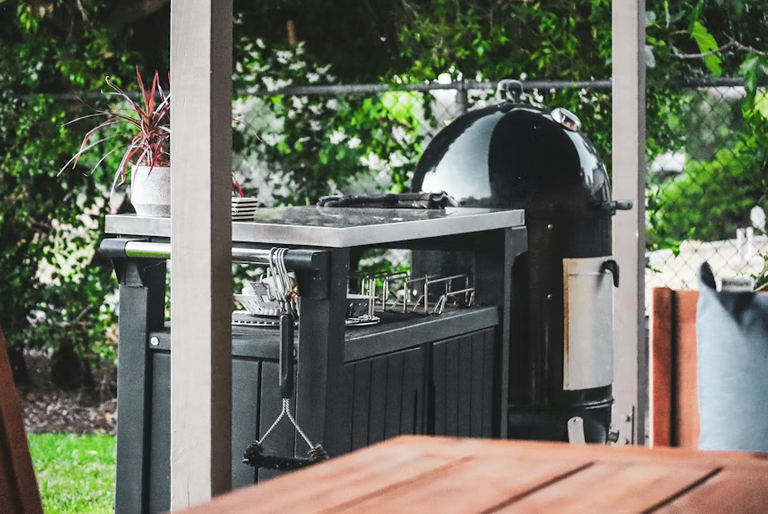
Designing an outdoor kitchen is an exciting project that can transform a backyard into a functional and enjoyable living space. However, many homeowners rush into the process without proper planning, leading to costly and frustrating outcomes. A well-designed outdoor kitchen should balance style, functionality, and durability while fitting the available space and lifestyle needs. Without careful consideration, even a beautiful setup can become inconvenient to use. Many projects fail because of overlooked details such as layout, materials, and weather protection. Understanding common mistakes can help homeowners make better decisions from the start. Avoiding these errors improves usability, extends the lifespan of installations, and creates a more enjoyable cooking and entertaining environment for years to come.
Poor Layout Planning
One of the most frequent mistakes is failing to design a practical layout. Many people focus on appearance rather than workflow, which leads to inefficient movement between cooking, prep, and serving areas. A poorly arranged space can make cooking outdoors frustrating and time-consuming. Key elements like grills, sinks, and storage should be positioned logically to support smooth operation. Without proper spacing, the kitchen can feel cramped and difficult to use. Planning the layout in advance helps create a more functional environment where everything is within easy reach and activities flow naturally.
Using Indoor Materials Outdoors

Another major mistake is selecting materials that are not suitable for outdoor conditions. Indoor materials may look attractive but often cannot withstand heat, moisture, and changing weather conditions. Over time, this leads to damage such as rust, warping, or fading. Outdoor kitchens require durable materials like stainless steel, stone, or weather-resistant finishes. Choosing the right materials helps maintain both appearance and functionality. Ignoring this factor can result in frequent repairs and higher long-term costs. Proper material selection is essential for creating a kitchen that lasts and performs well in all weather conditions.
Ignoring Weather Protection
Outdoor kitchens are exposed to natural elements, and failing to plan for weather protection is a common error. Without proper shelter, appliances and surfaces can deteriorate quickly due to rain, sun, or wind. This can also make the space uncomfortable to use during extreme weather. Installing covers, pergolas, or roofing structures helps protect equipment and extend its lifespan. Shade and ventilation also improve comfort during cooking and entertaining. Ignoring environmental factors often leads to reduced usability and increased maintenance needs. A well-protected design allows the kitchen to remain functional throughout the year.
Insufficient Storage Space

Many outdoor kitchen designs overlook the importance of storage. Without enough cabinets or storage solutions, cooking tools, utensils, and supplies can become disorganized or exposed to the elements. This creates inconvenience and reduces efficiency during use. Proper storage helps keep everything organized and easily accessible. Weatherproof cabinets are especially useful for protecting items from moisture and dust. Lack of storage often leads to cluttered surfaces, making the space less enjoyable to use. Planning storage needs in advance helps maintain order and improves overall functionality in the outdoor cooking area.
Poor Lighting and Utility Planning
Lighting and utilities are often underestimated during the design phase. Without proper lighting, cooking at night or during low-light conditions becomes difficult and unsafe. Similarly, inadequate planning for water, gas, or electricity connections can limit functionality. Outdoor kitchens require reliable utility access to support appliances and cooking equipment. Proper lighting also enhances safety and creates a more welcoming atmosphere for entertaining. Overlooking these elements can significantly reduce the usability of the space. Careful planning of utilities and lighting ensures the kitchen remains practical and enjoyable at all times.
Outdoor kitchen projects can greatly enhance outdoor living, but only when designed with careful planning and attention to detail. Common mistakes such as poor layout design, unsuitable materials, lack of weather protection, insufficient storage, and weak utility planning can reduce both functionality and durability. Avoiding these errors helps create a space that is efficient, comfortable, and long-lasting. A well-planned outdoor kitchen should support easy cooking, social interaction, and year-round use. By focusing on practicality and durability from the beginning, homeowners can build an outdoor space that delivers lasting enjoyment and adds real value to their home.…